
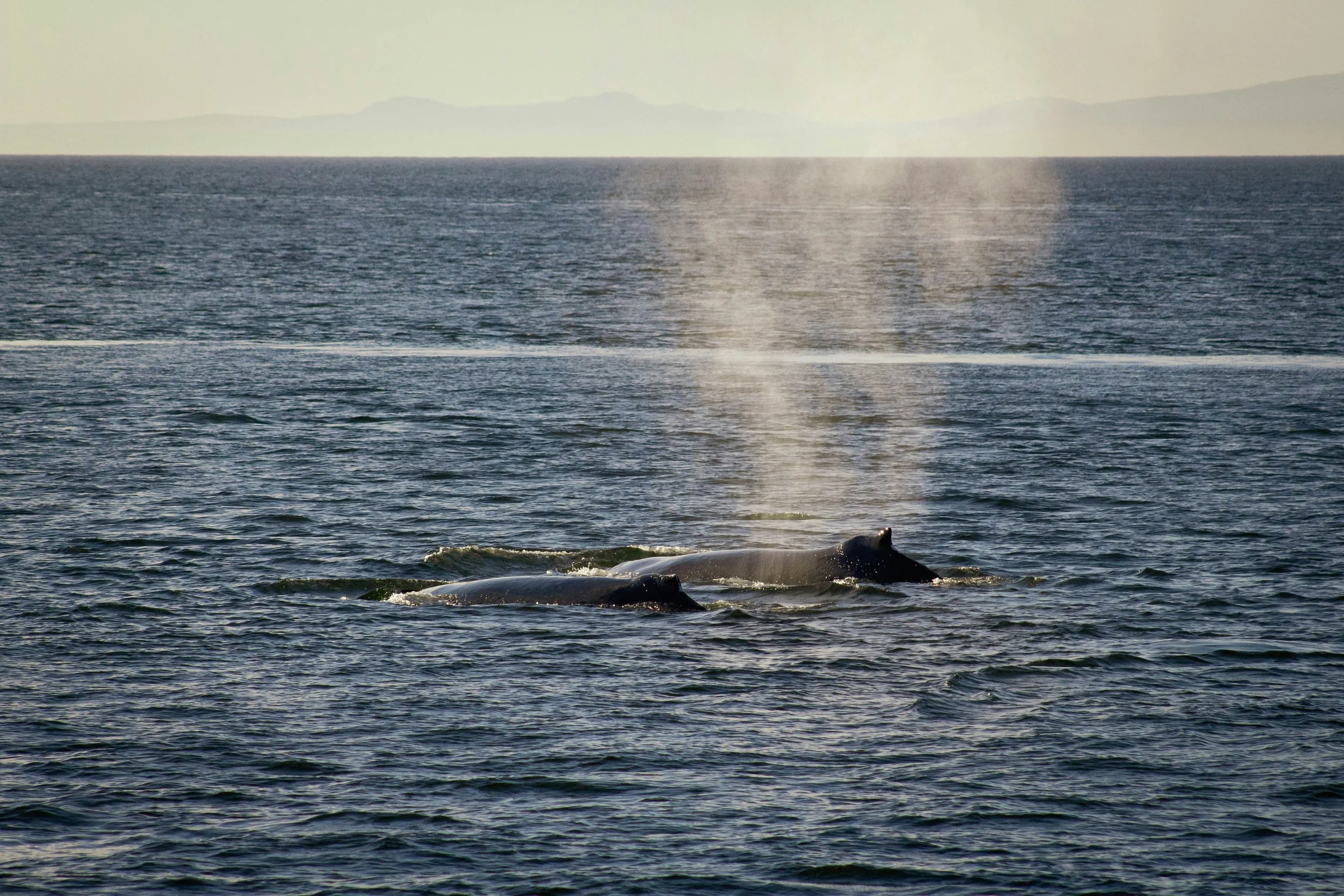
Experience The Olympic Coast

The Next Chapter
Step inside a space designed to connect you with one of the most diverse and dynamic marine environments in the world.
The Olympic Coast Exploration Center is not just a collection of exhibits.
It’s a gateway.
Located in Port Angeles, the center connects visitors to the broader Olympic Coast National Marine Sanctuary — spanning miles of protected ocean, coastline, and ecosystems that define this region.
What begins inside the building extends far beyond it.
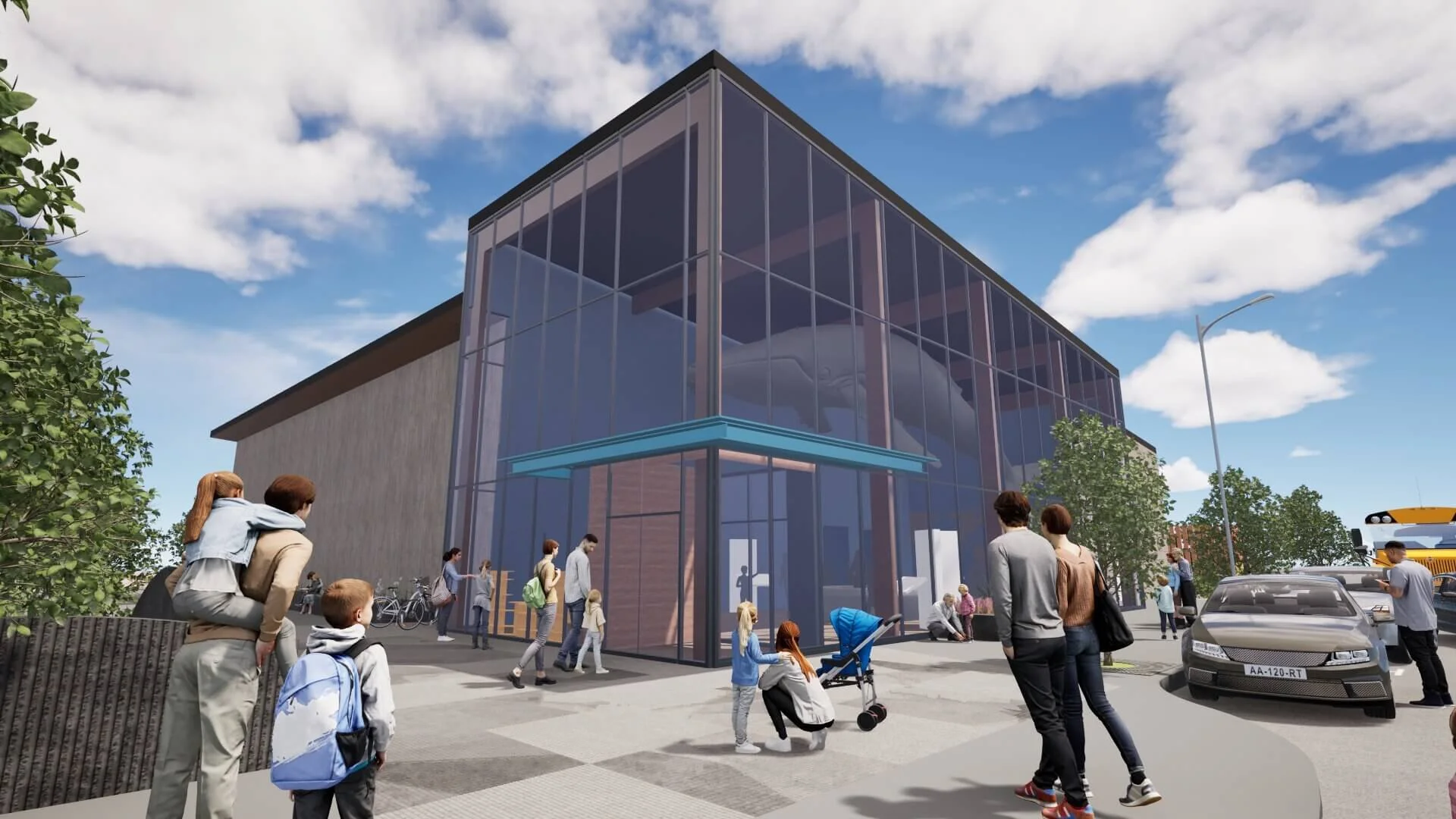
A Starting Point For Exploration
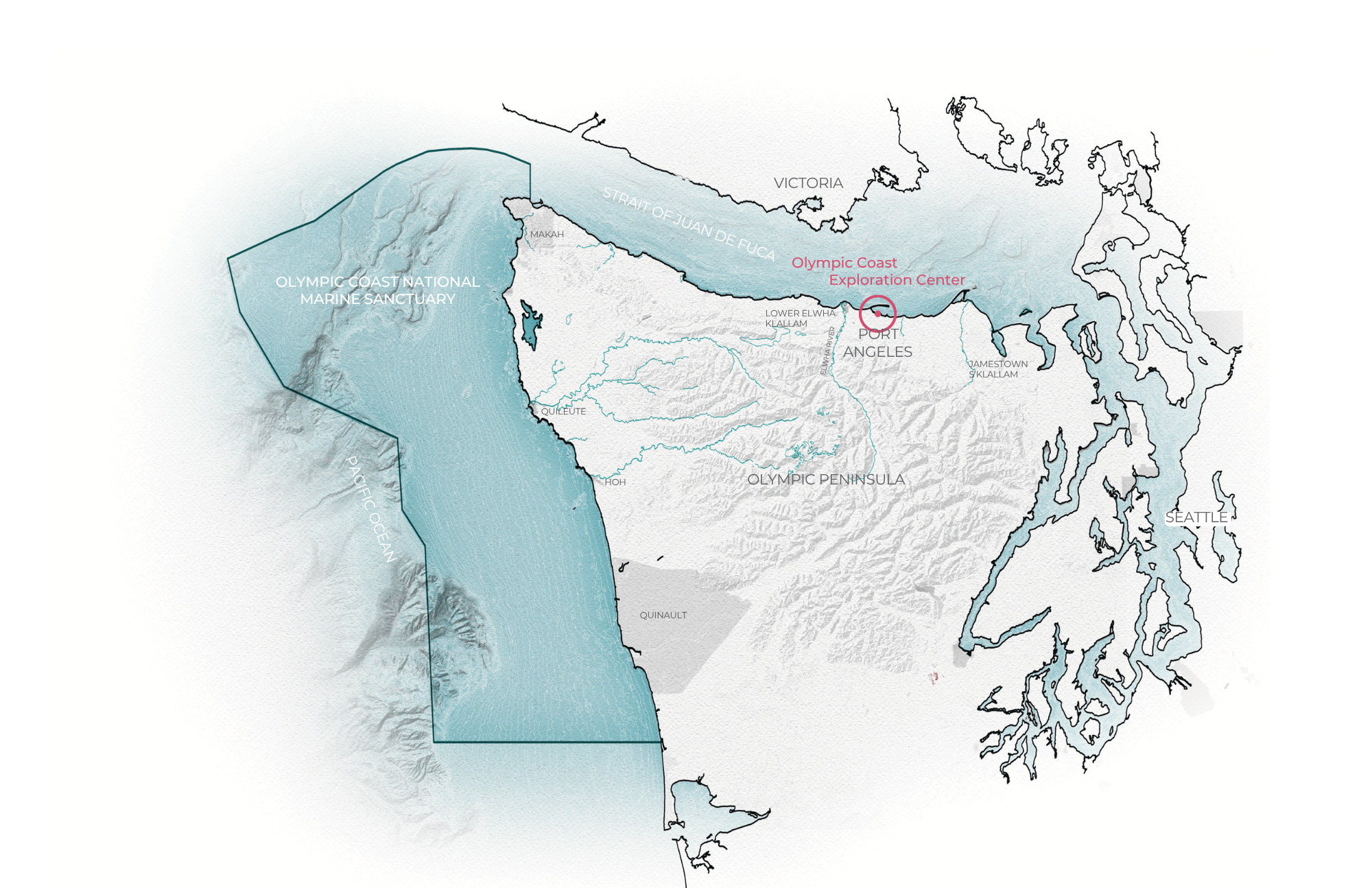
The new center will be located at the Port Angeles Waterfront Center on the west end of downtown Port Angeles.
It will be part of a broader campus that includes the Field Arts & Events Hall and the future Lower Elwha Klallam Tribe Cultural Center.
Together, these spaces create a destination that brings together arts, science, culture, and community life — reflecting the full identity of the Olympic Peninsula.
The location strengthens visibility, accessibility, and the center’s role as a gathering place for both residents and visitors.
Exhibits That Bring The Coast To Life
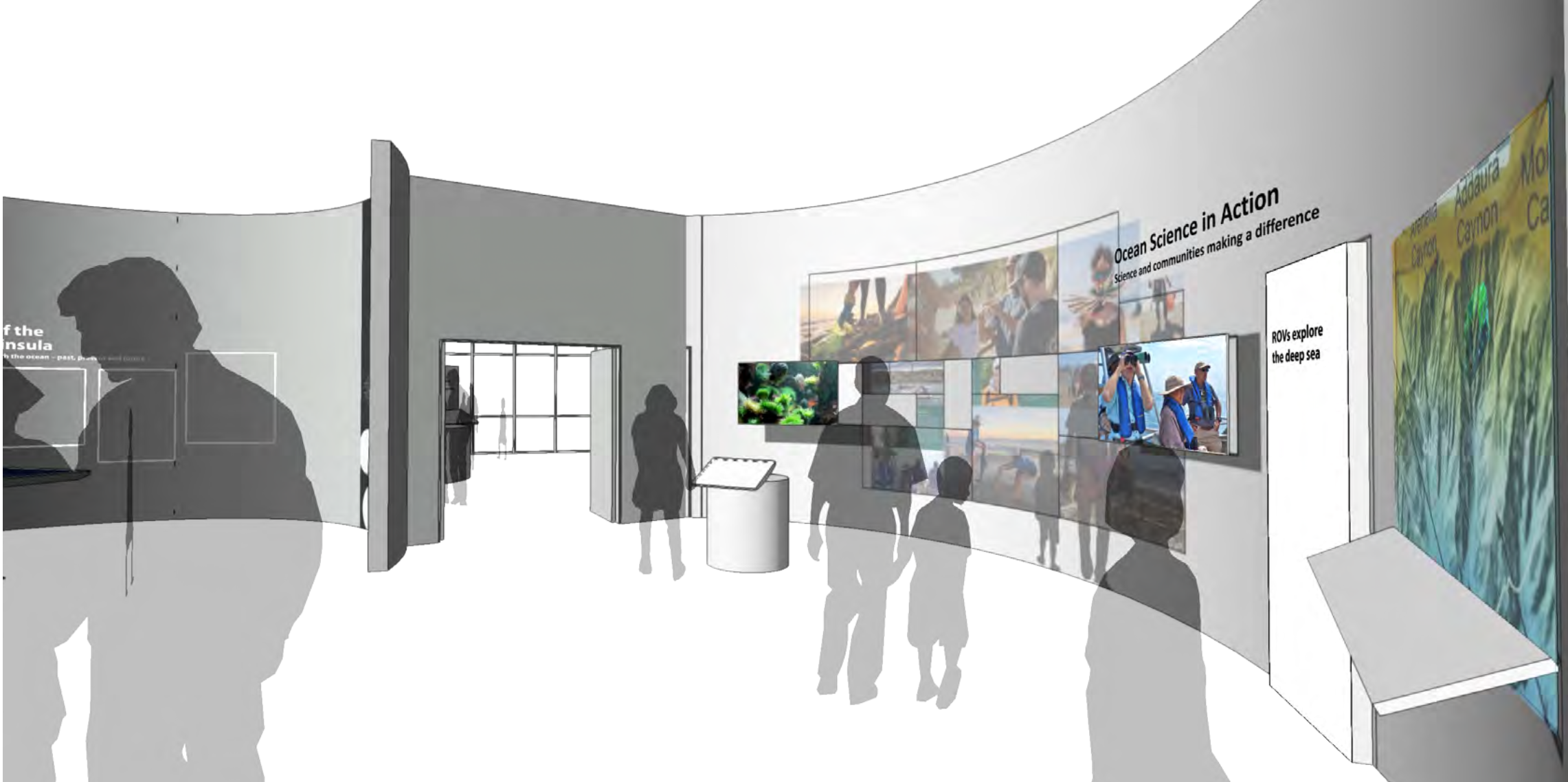
The center will feature six primary exhibit areas, each designed to make the Olympic Coast tangible, interactive, and understandable.
VISITORS WILL EXPERIENCE:
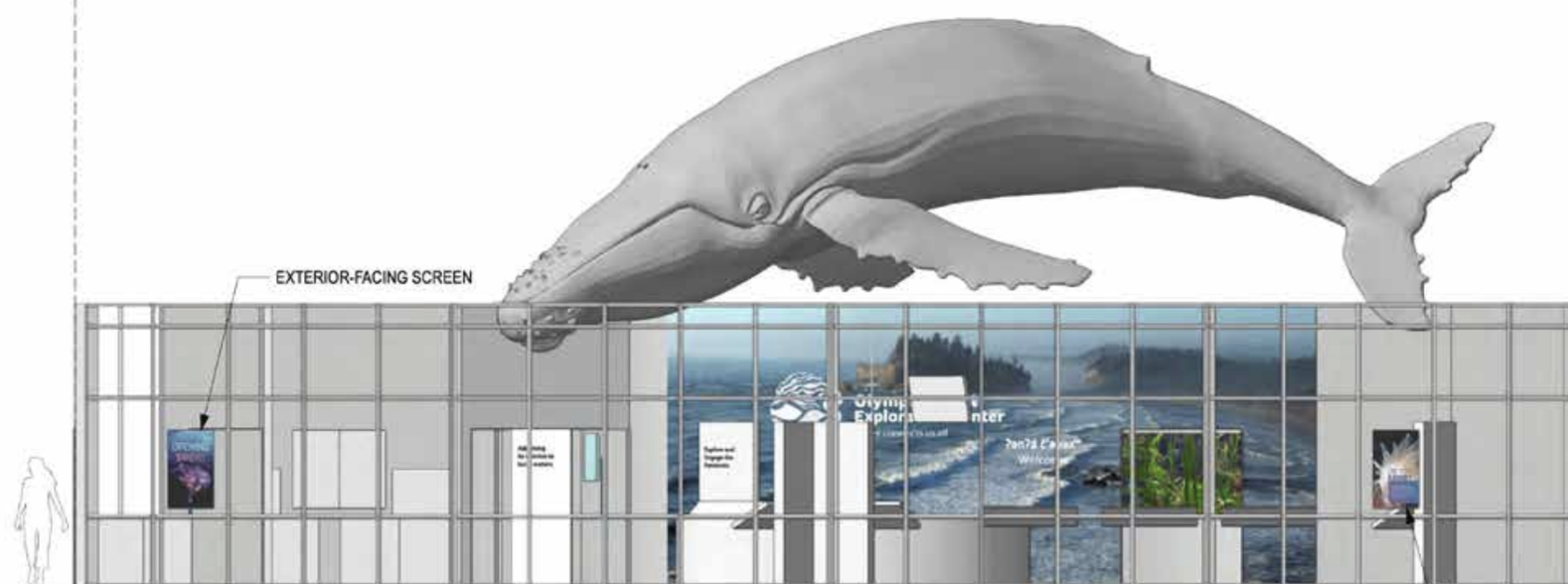
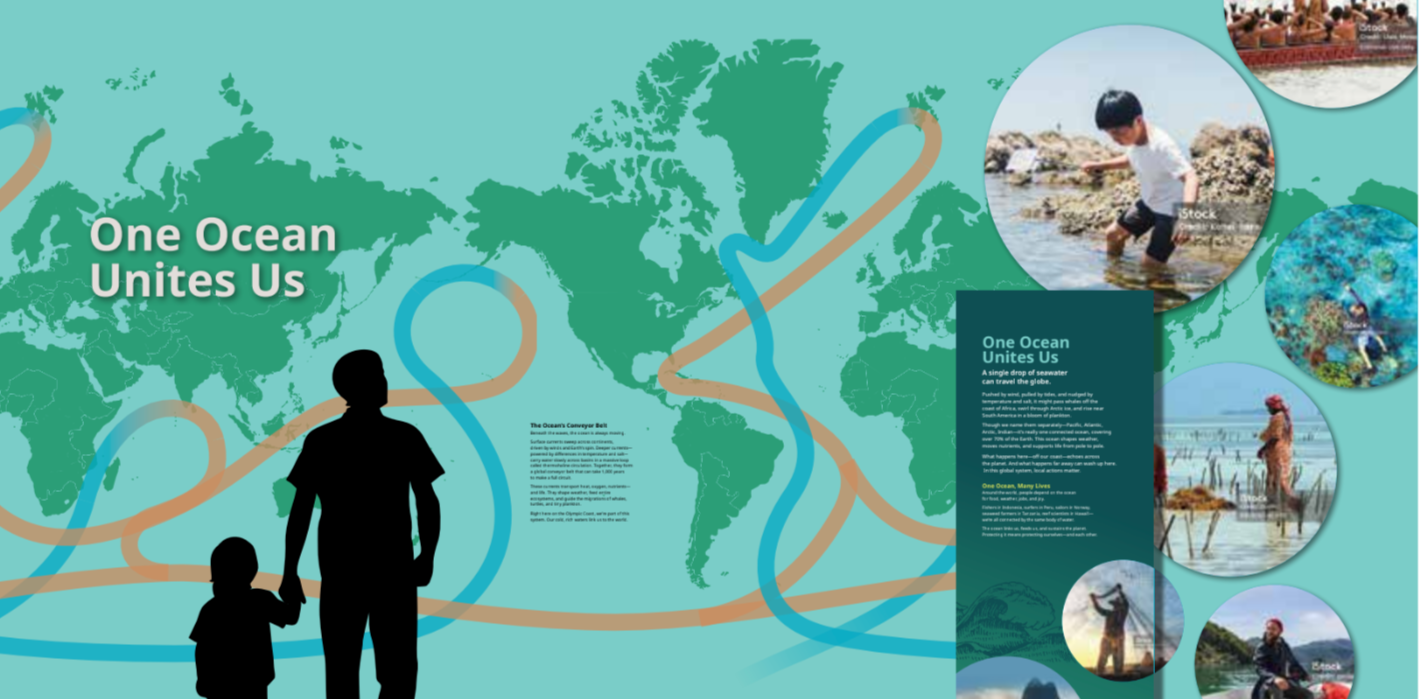
The sanctuary system and whale migration patterns
Stories of the Peoples of the Peninsula and habitat restoration
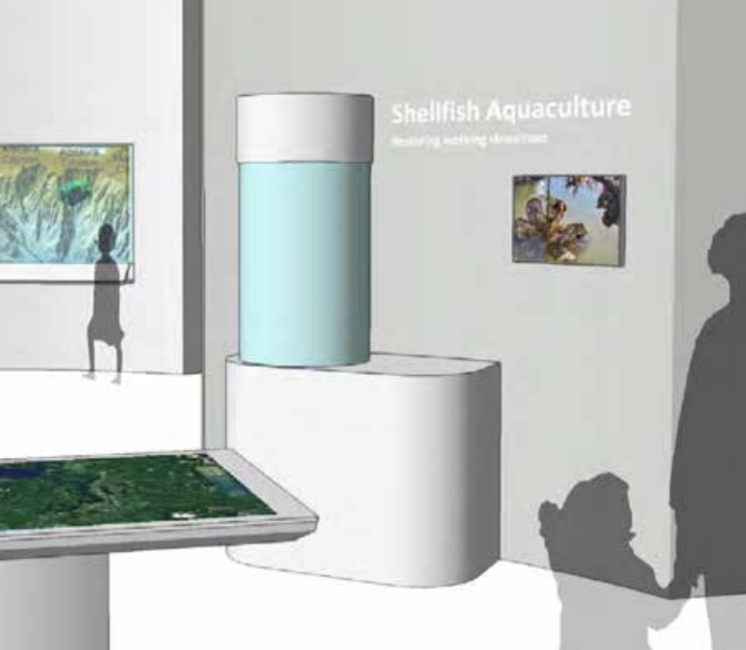
Touch tanks, rocky reef and kelp forest environments, and a giant Pacific octopus
Local watersheds and the legacy of Arthur D. Feiro
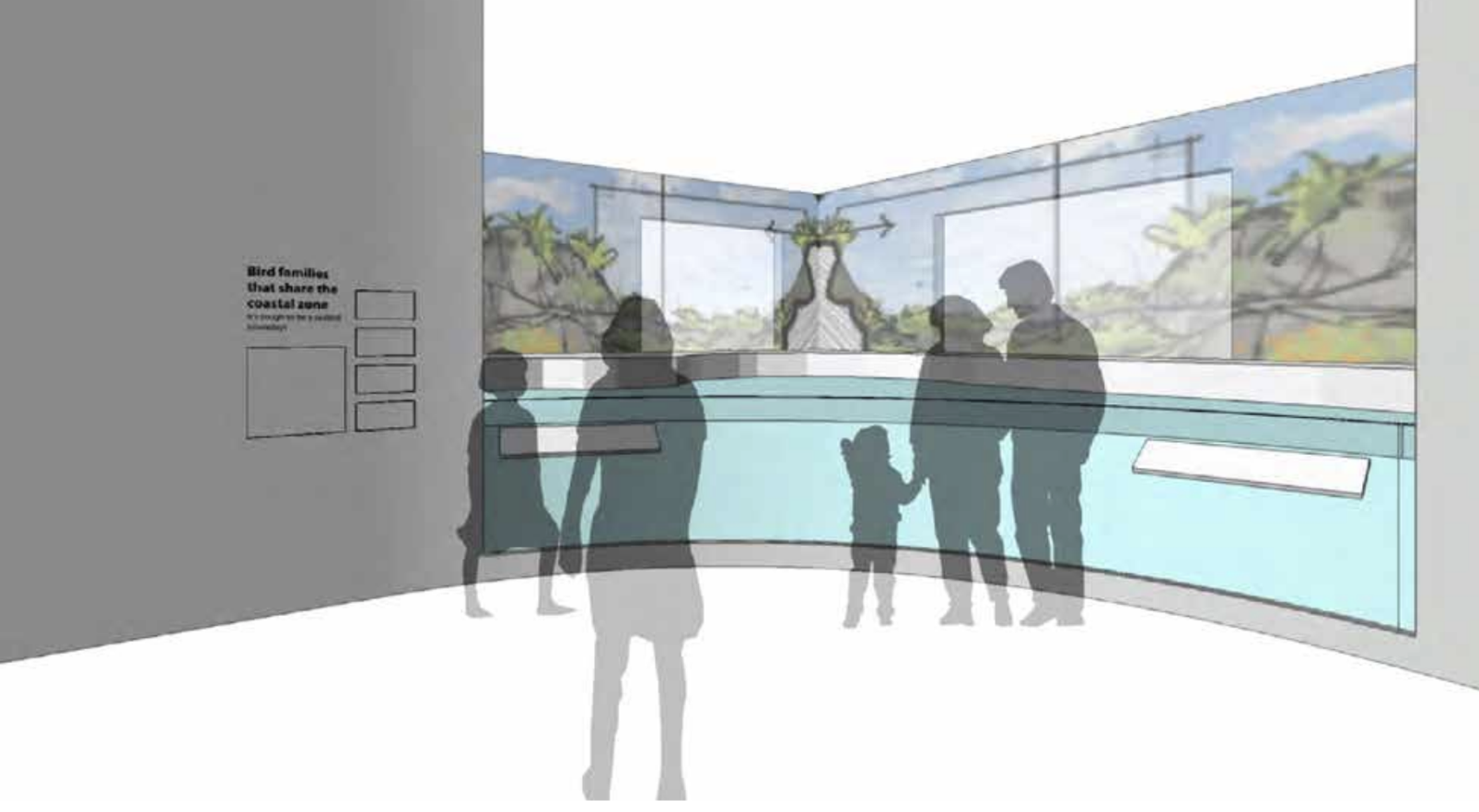
A state-of-the-art seabird exhibit exploring interspecies connection
Ocean science, including remotely operated vehicles (ROVs) and current research
Meaningful Educational Experiences
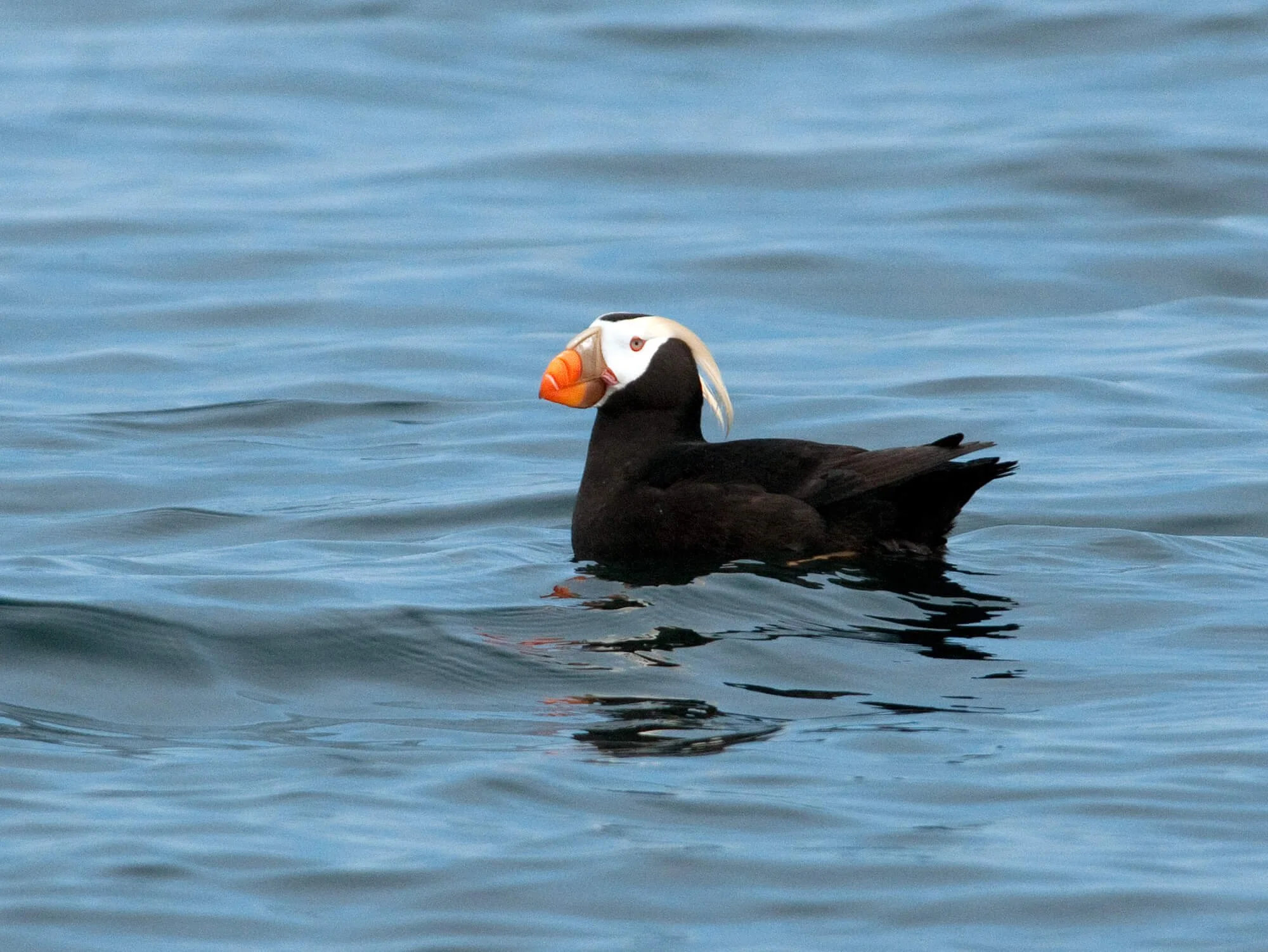
Select exhibits will feature live animals native to the region, including seabirds such as tufted puffins and marine species from local ecosystems.
The new facility is designed to support modern standards of care, with dedicated systems for life support, veterinary oversight, and habitat management.
This ensures the wellbeing of each species while creating meaningful, educational experiences for visitors.
Hands-On, Accessible & Adaptable
Visitors won’t just observe — they’ll engage.
Interactive exhibits invite exploration and discovery
Educational spaces support learning across all ages
Flexible environments allow the center to evolve over time
This is a space built to inform and involve.

Be part of something that will last for generations.
This project is made possible through a combination of public funding, private support, and community investment. With significant funding already secured, the next phase focuses on bringing the full vision to life.